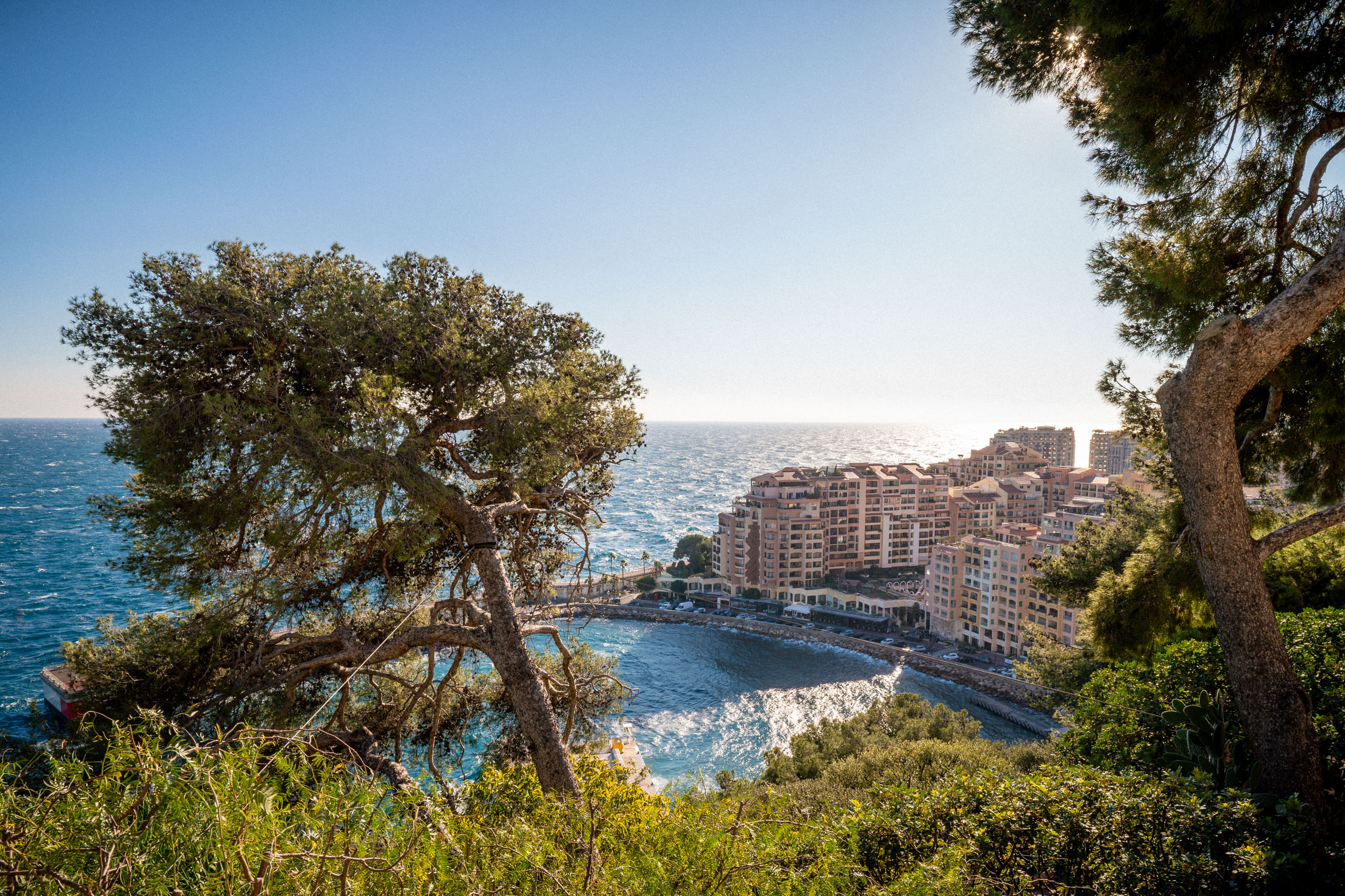
Monaco: The Quiet Strength Beyond the Bubble
NewsEvery year, the UBS Global Real Estate Bubble Index takes the pulse of the world’s most overheated housing markets. The 2025 edition confirms what many observers have felt for months: global property prices have finally cooled. After years of double-digit gains fuelled by cheap money and pandemic-era liquidity, real estate is settling into a more sober phase. Yet, paradoxically, this slowdown could be laying the groundwork for the next cycle of capital flows, and Monaco may stand to benefit more than ever.
According to UBS, the surge in public debt worldwide, expected to reach 100 % of global GDP by the end of the decade, will leave policymakers with three difficult choices: austerity, inflation, or financial repression. The last of these, which involves holding nominal rates below inflation to manage debt servicing, is the most likely scenario. In such an environment, tangible assets like property regain their traditional role as a refuge for capital preservation.
The index shows that “bubble risk” remains high in Miami, Tokyo and Zurich, and elevated in cities such as Dubai, Los Angeles, Amsterdam and Geneva. By contrast, former hotspots like Paris, London and Hong Kong have slipped into low-risk territory after years of stagnation. Behind these rankings lies a common theme: affordability has collapsed, and speculative fervour has faded. UBS notes that in most major cities, a skilled worker would need ten to fifteen years of income to buy a 60 m² apartment near the centre, up to fourteen years in Hong Kong, ten in Paris and twelve in London.
Yet not all markets are created equal. UBS highlights that real estate in fiscally sound jurisdictions, those capable of sustaining low nominal interest rates without fuelling inflation, could attract significant capital inflows. It is here that Monaco enters the conversation, even though it is not included in the UBS sample.
The Principality combines the essential ingredients of a resilient market: political stability, prudent public finances, and a permanent shortage of land. Like Zurich or Geneva, it offers a safe-haven status, but with the additional advantage of fiscal neutrality and unrestricted foreign ownership. In a world of mounting taxation and regulatory intervention, from Vancouver’s vacancy taxes to Spain’s recent tightening of “golden visa” rules, Monaco remains open, transparent and predictable.
Moreover, the UBS report points out that in cities where construction activity is constrained, limited supply will underpin prices despite subdued demand. That statement could have been written about Monaco itself. Every square metre built here is the product of years of planning, negotiation and engineering. The result is a market that moves slowly, but almost never backward. Prices may not soar like Dubai’s, up 11 % in real terms over the past year, but they seldom deflate either.
For investors seeking to preserve wealth rather than chase speculative yields, Monaco represents the mirror image of a bubble. Transactions are largely cash-based, leverage is minimal, and the buyer base is dominated by residents rather than flippers. The scarcity of land and the depth of demand create what might be called “permanent equilibrium”: high prices, yes, but supported by structural realities rather than credit exuberance.
If UBS is right that the coming years will be defined by inflation and financial repression, the logic for holding real assets in politically and fiscally disciplined enclaves becomes self-evident. The world’s debt will continue to inflate away; its money will seek shelter. And few shelters are as solid, or as finite, as the two square kilometres of Monaco.
Source: UBS Global Real Estate Bubble Index 2025, Chief Investment Office GWM, UBS Switzerland AG.