Monaco vs Major International Hubs (Monaco vs Milan, London, Dubai, Zurich): A Necessary Comparison
GuidelinesComparing the Principality of Monaco with major cities such as Milan, London, Dubai, or Zurich may, at first glance, seem questionable.
On one side, a sovereign state of just two square kilometres, with its own tax system and a highly specific economic model; on the other, large cities embedded within complex national frameworks.
The comparison is therefore not institutional, but strategic.
These locations operate within the same competitive sphere: internationally attractive hubs. They target similar profiles, entrepreneurs, investors, high-net-worth families, senior executives, and address the same decision criteria: taxation, stability, security, quality of life, economic depth, and long-term value preservation.
In this context, real estate serves as a relevant indicator. Price per square meter is not merely a market metric, it reflects an entire ecosystem.
Monaco vs International Hubs - Episode 1: Milan
The comparison between Milan and Monaco highlights two fundamentally different models, both economically and in terms of lifestyle.
1. Economic Profiles: Diversified Metropolis vs Specialized Micro-State
Milan: a structured European economic centre
Milan is Italy’s leading economic hub, hosting a wide range of industries, finance, manufacturing, fashion, design, and technology, as well as the Italian stock exchange and numerous corporate headquarters.
This diversity supports a dynamic ecosystem conducive to employment, innovation, and international business. The city also benefits from strong connectivity and a rich cultural environment.
Monaco: a focused model built on taxation, security, and stability.
The Principality relies on a more concentrated economic model, centred around financial services, private banking, insurance, high-end tourism, and prime real estate.
This positioning is supported by a highly attractive tax framework, notably the absence of personal income tax for most residents.
However, Monaco’s appeal is no longer driven by taxation alone. Security has become a key factor. The level of safety is exceptionally high, with a strong police presence and exceptionally low crime rates, offering a highly protective environment for both individuals and assets.
This is complemented by strong institutional stability. The regulatory and tax framework evolves gradually, ensuring long-term visibility for residents and investors.
This combination largely explains Monaco’s sustained attractiveness to high-net-worth individuals worldwide.
2. Cost of Living: A Gap Driven Primarily by Housing
In Milan, the cost of living is high by Italian standards but remains relatively accessible for a major European city.
In Monaco, price levels vary depending on the category. While housing ranks among the most expensive in the world, everyday expenses, food, services, leisure, remain broadly in line with the French Riviera.
The main difference lies in access to housing, which constitutes the primary barrier to entry.
3. Salaries and Career Opportunities
Milan offers a broad and diversified job market across multiple sectors, supported by the presence of international companies.
While taxation is high and salaries lower than in Northern Europe or Switzerland, housing costs remain proportionate to a major city.
In Monaco, certain roles, particularly in finance, luxury, and specialized services, offer higher compensation. Taxation can also be advantageous depending on nationality.
However, the job market is more limited, and high housing costs restrict access for middle-income profiles.
4. Quality of Life, Security, and Environment
Milan offers a vibrant cultural life, strong architectural heritage, and a dense, well-connected urban environment.
However, it faces structural air pollution. Its location in the Po Valley, a poorly ventilated area, leads to the accumulation of fine particles, particularly in winter. Like many large cities, it also faces more pronounced security challenges.
In Monaco, the situation differs. Its coastal exposure facilitates air circulation, and the absence of heavy industry limits structural emissions.
That said, the high density, traffic concentration, and ongoing construction activity generate localized nuisances, particularly from vehicles and construction-related dust.
The Principality nonetheless offers a highly secure environment, high-quality healthcare, and efficient infrastructure, within a constrained but well-managed setting.
5. Profile-Based Analysis
Expat employees
Milan suits professionals seeking a broad, dynamic, and internationally connected job market.
Monaco is more suited to high-value profiles with compensation levels sufficient to offset housing costs, where taxation and security are key factors.
Entrepreneurs and investors
Milan provides access to a large domestic and European market, with relatively moderate entry costs. It is well suited for growth-oriented strategies and income-generating investments.
Monaco offers a stable tax environment and access to a concentrated network of capital. However, its domestic market is limited, and entry conditions are more selective.
The Italian framework, while dynamic, remains more subject to change. The flat tax regime introduced in 2017 has already been significantly increased, reflecting both adaptability and reduced long-term visibility.
Retirees
Milan suits active retirees seeking culture and urban life in a relatively accessible setting.
Monaco appeals to high-net-worth individuals seeking security, stability, and tax efficiency, despite the constraints of housing costs.
6. Real Estate: Yield vs Capital Preservation
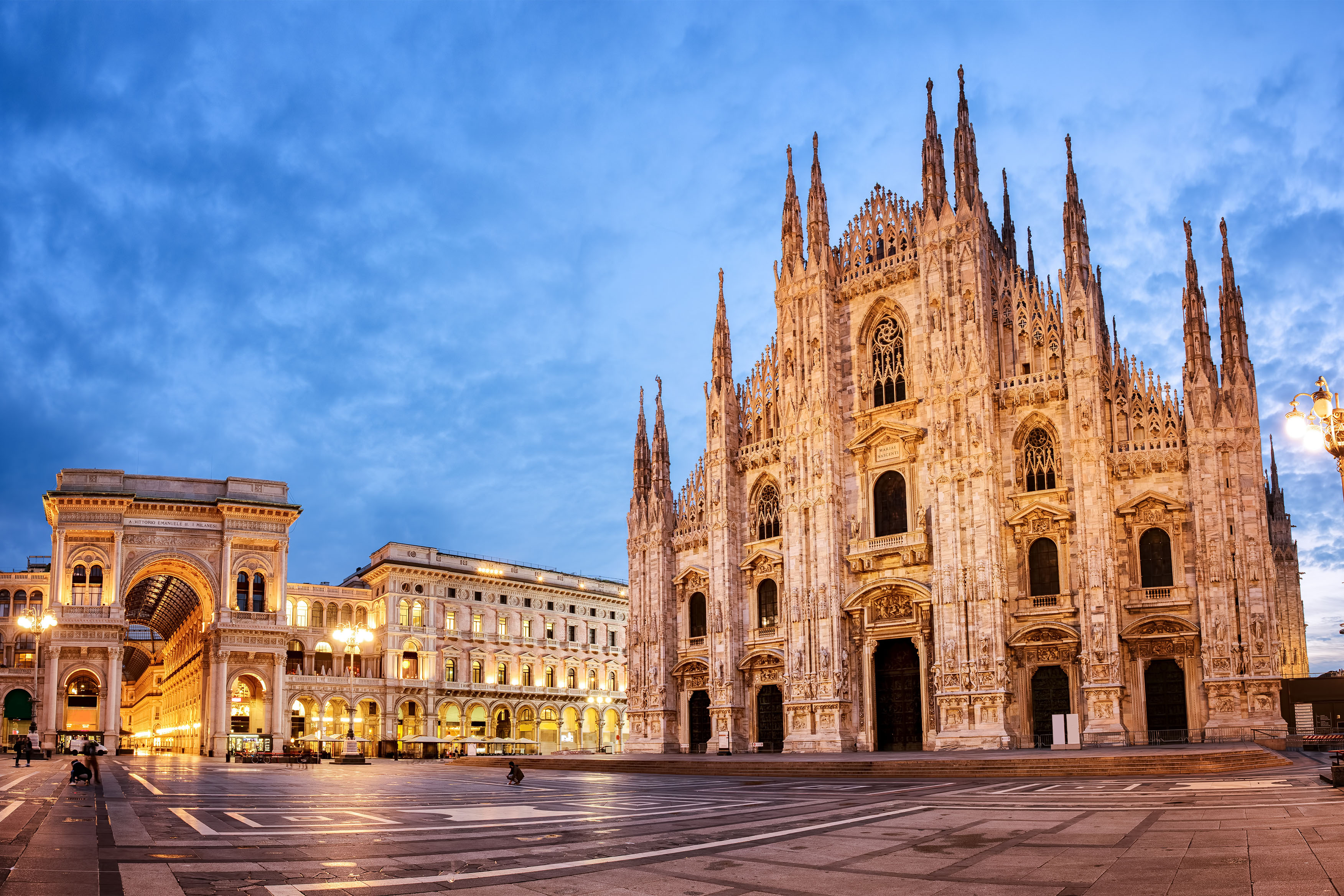
Milan’s real estate market is among the most active in Italy, with prices ranging from around €3,100/sqm in peripheral areas to over €10,000/sqm in prime central districts such as Brera, Duomo, and Porta Nuova.
This allows for yield-oriented investment strategies, with gross returns typically ranging from 3.7% in central areas to around 5.5% in peripheral zones.
In Monaco, the market operates at a completely different level, with average prices around €52,000/sqm, exceeding €100,000/sqm for prime developments.
Rental yields are lower (2%–3.5%) but offset by strong capital preservation, international demand, and long-term value appreciation.
Conclusion
The choice between Milan and Monaco ultimately depends on individual objectives.
Milan represents an economic approach: market access, diversification, and income generation.
Monaco reflects a wealth preservation strategy: stability, security, taxation, and long-term value.
The objective is not to rank these models, but to identify which best aligns with a given strategy.