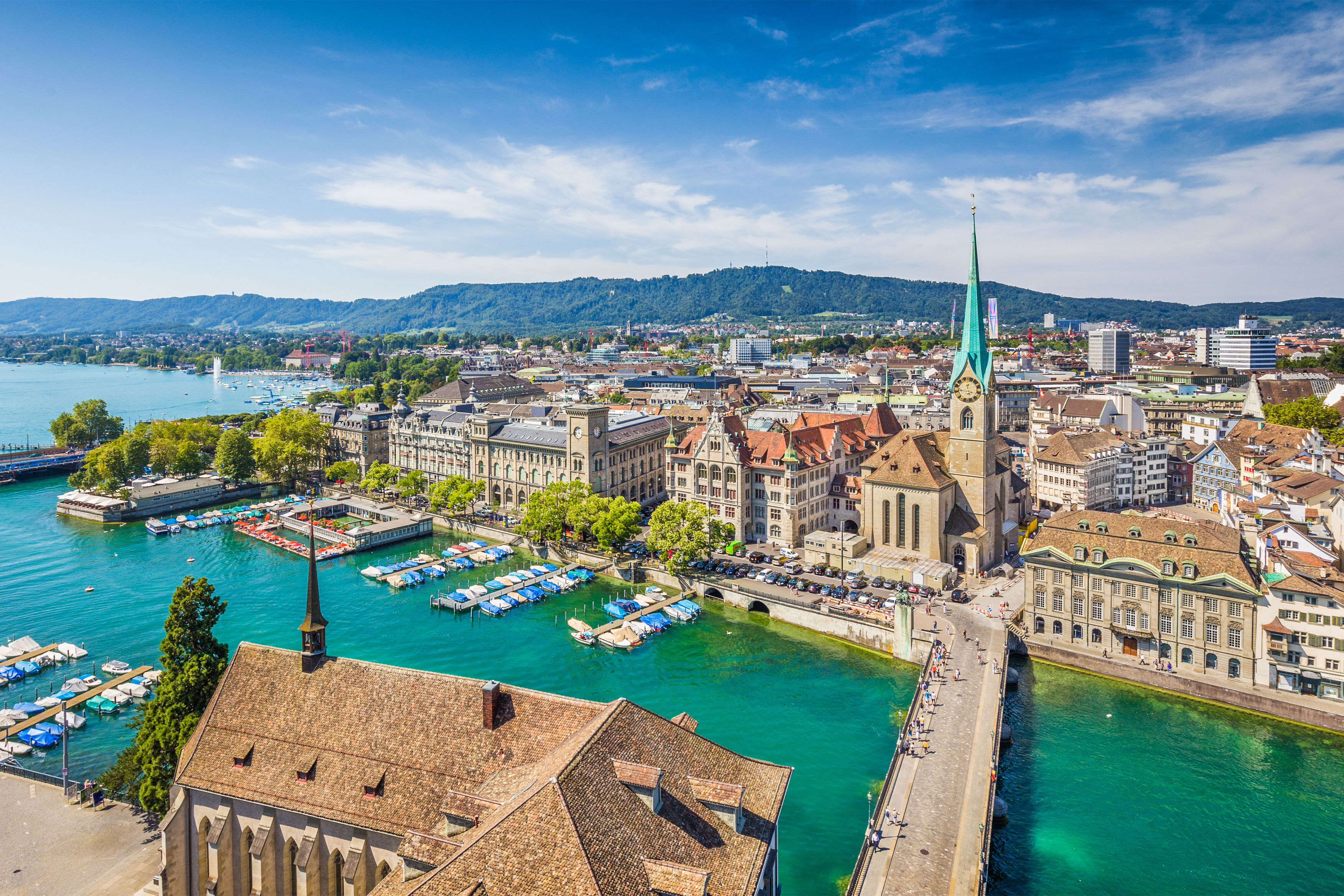
Monaco vs Major International Hubs – Episode 2: Zurich (and the Swiss Model)
GuidelinesThe comparison between Monaco and Zurich, when extended to the broader Swiss context, introduces a different dynamic from Milan. This is no longer about scale, but about structure.
Zurich and Monaco operate at a similar level of international attractiveness, but through fundamentally different mechanisms: one is a system you can enter and operate within; the other is an environment you must first qualify for, where capital and opportunities are concentrated.
1. Economic profiles: integrated system vs concentrated model
Monaco relies on a deliberately concentrated model: private banking, wealth management, prime real estate, high-end tourism, and international events. The entire ecosystem is designed to attract and retain ultra-high-net-worth individuals, within a framework that combines tax clarity, political stability, and a high level of security.
Zurich cannot be separated from Switzerland. It sits at the core of one of the most robust economic systems in the world, combining financial institutions, industry, technology, and research. This model absorbs large economic flows within a dense regulatory framework, where rules are clear but leave limited room for flexibility.
Zurich reduces uncertainty; Monaco restricts access.
2. Taxation: direct advantage vs structured framework
Monaco eliminates personal income tax for most residents, making the tax advantage immediate and directly measurable.
Switzerland maintains a comprehensive tax system, combining income and wealth taxation. In Zurich, tax levels remain competitive by European standards, but operate within a broader framework where taxation funds high-quality public services and supports long-term institutional stability.
The difference is not just the tax level, but how it is embedded within the system.
3. Cost of living: uniform pressure vs concentrated constraint
Zurich consistently ranks among the most expensive cities in the world, with high costs across all categories, in line with salary levels.
In Monaco, cost pressure is primarily concentrated in real estate. Outside housing, everyday expenses remain closer to those of the French Riviera.
In one case, cost is distributed across the system; in the other, it primarily determines access.
4. Salaries and employment: depth vs selectivity
Zurich offers a broad, structured, and diversified labor market, enabling long-term career development within a highly regulated environment. Compensation levels are high, reflecting the overall cost structure.
Monaco offers a more limited and focused job market. Salaries can be high, but opportunities are fewer and access is more tightly controlled.
Zurich allows you to build; Monaco assumes you are already positioned.
5. Quality of life: predictability vs density
Zurich offers a high standard of living based on efficient infrastructure, strong public services, and a structured natural environment. It operates within a low-friction, highly codified framework, where predictability dominates.
Monaco offers a denser environment, characterized by a strong concentration of capital and international networks. Space is constrained, but interactions are faster and more direct.
Zurich organizes the framework; Monaco concentrates interactions.
Conclusion
This comparison highlights two models that are difficult to substitute.
Zurich functions as a system you can integrate and operate within over time, within a demanding but predictable framework.
Monaco functions as a filtered environment, where access determines opportunity.
For expatriate employees, Zurich provides a strong platform for building a long-term career. Monaco is better suited to already established profiles capable of absorbing its access constraints.
For entrepreneurs and investors, Switzerland offers a structured and scalable environment. Monaco acts as a point of concentration, where taxation, security, and networks play a central role.
For retirees, Switzerland offers stability and high-quality services within a structured system, albeit with taxation. Monaco offers a potentially more favorable tax framework, maximum security, and a unique Mediterranean environment.
Real estate focus: systemic stability vs structural scarcity
Zurich’s real estate market is characterized by strong stability, supported by consistent demand and strict regulation. Prices typically range between €12,000 and €20,000 per sqm, with regulated access for foreign buyers. Yields remain moderate (2%–3%), reflecting low volatility and a focus on capital preservation.
In Monaco, prices regularly exceed €50,000 per sqm, with significantly higher levels for new developments. The market is driven by structural land scarcity and sustained international demand. Rental yields remain broadly comparable (2%–3%), but capital appreciation remains the dominant driver, although recent inflows of new residents have pushed rents higher and slightly improved yields.
In summary, Switzerland organizes and secures economic flows within a structured system, while Monaco concentrates capital and restricts access to its market.
Switzerland works as a system you can enter and operate within; Monaco is an environment you must first qualify for.
The choice is therefore less about hierarchy than about usage: integrating a system or accessing an environment.
In both cases, real estate reflects these models: a regulated and stable asset in Switzerland, a scarce and strategic one in Monaco.