Monaco: Urbanism Under Constraints
GuidelinesBetween sea and cliffs
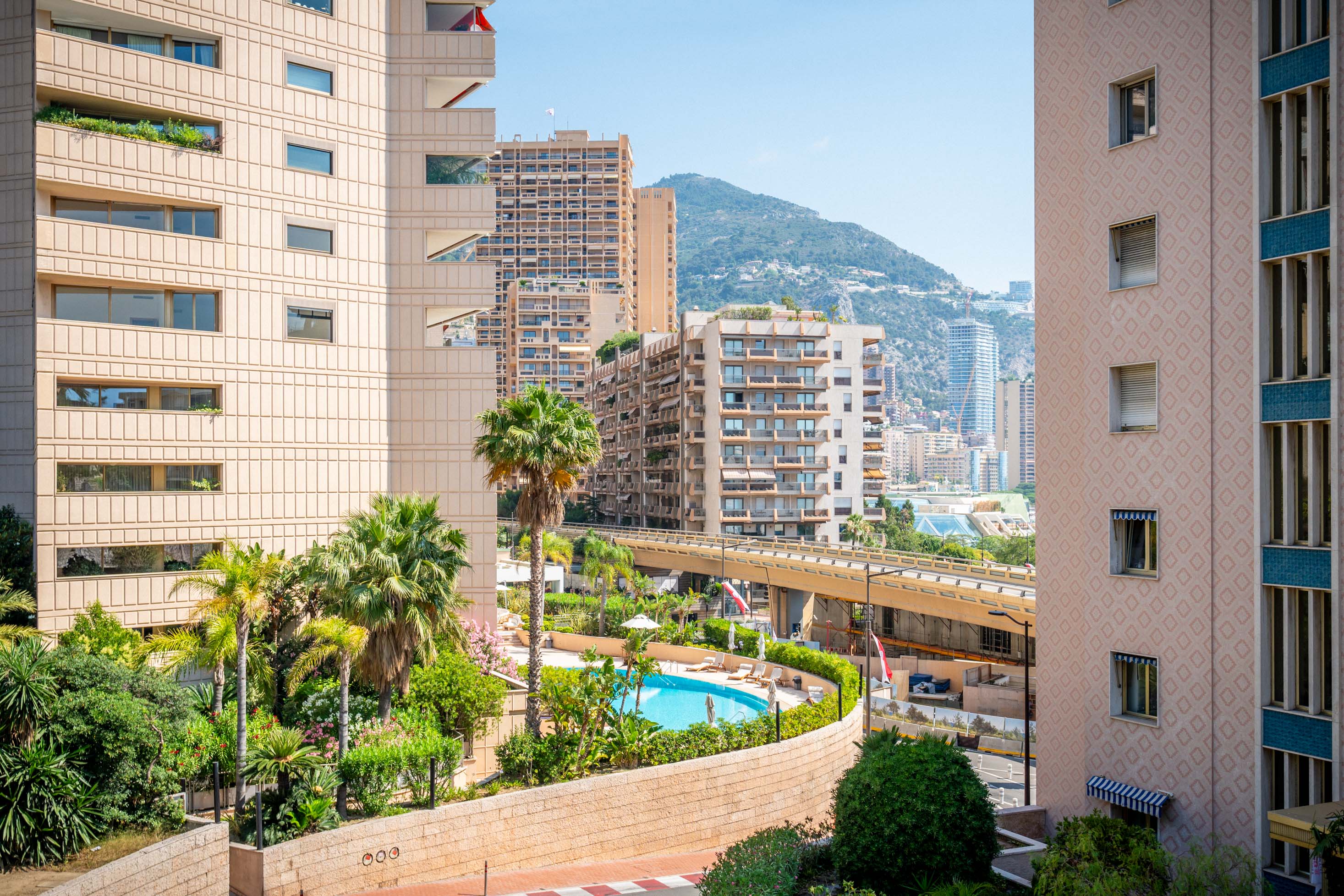
The Principality of Monaco is defined by exceptional urban density and an architecture where contemporary towers, historic buildings, and Belle Époque heritage coexist. Within this small territory, every construction or renovation project must address unique conditions: steep terrain, varied subsoils, proximity to the sea, Mediterranean climate, and intense urban activity. Each project thus becomes a true feat of engineering.
A brief history
From origins to the 19th century
Until the 19th century, Monaco was little more than a fortified stronghold clustered around the Rock and the Princely Palace. The rest of the land, rural or marshy, appeared almost unbuildable. The turning point came in 1861, when the Principality ceded Menton and Roquebrune to France, reducing its territory but clarifying a new strategy: becoming a destination for elite tourism. The creation of the Société des Bains de Mer (1863) and the inauguration of the Monte-Carlo Casino attracted an international clientele, while the arrival of the railway in 1868 supported residential and hotel growth.
The 20th century: verticalisation and land reclamation
Until the 1950s, development remained moderate, with bourgeois-style buildings dominating the skyline. Under Prince Rainier III, Monaco entered a phase of rapid modernization: lacking space, the city expanded vertically. In the 1960s and 70s, reinforced concrete reshaped the Principality’s urban fabric. The most emblematic operation was Fontvieille, 22 hectares reclaimed from the sea, integrating housing, offices, public facilities, and the Louis-II stadium.
From quantity to quality
From the 1990s onward, Monaco shifted towards architectural quality. The concrete blocks of the post-war boom were gradually replaced with high-end developments, marked by noble materials, refined design, and improved environmental performance. Verticality peaked with the Tour Odéon (170 m), symbol of a luxury market aimed at global elites. More recently, the Mareterra project, six hectares reclaimed at Larvotto, embodies sustainable urbanism, blending innovation with environmental responsibility.
A constrained and demanding environment
Today, Monaco is an urban laboratory where buildings of different eras and technologies stand side by side. Their coexistence takes place within a complex environment: cliffs, heterogeneous soils, proximity to the sea, and a changing climate. These conditions call for constant technical expertise, both in construction and in the maintenance of existing structures.
Two major periods of construction
Before 1930: the age of stone
Bourgeois buildings rest on massive stone or brick structures with wooden or metal floors. They feature generous volumes, high ceilings, and elegant layouts. While less adaptable and not built to modern standards, their heritage value remains undeniable.
After 1930: the age of concrete
Reinforced concrete appeared in the early 20th century but only became dominant after World War II. It allowed prefabrication, underground car parks, and high-rise construction. In the 1960s-70s, entire districts were reshaped by concrete. Over time, however, the material’s durability depends heavily on maintenance, particularly given marine exposure and urban density.
Specificities and challenges
Historic buildings
- Massive stone or brick structures, with timber or metal floors.
- Shallow foundations.
- Historic value and remarkable volumes.
- Sensitivity to moisture and soil movements.
Modern buildings
- Reinforced concrete structures, more flexible in design.
- Integration of elevators, parking, and long spans.
- Higher initial safety standards.
- Ageing requiring attentive monitoring (concrete, balconies, railings).
External factors
- Active Mediterranean geology requiring seismic standards.
- Relief and topography demanding specific engineering solutions.
- Dense urban activity where excavation may affect neighbouring structures.
Conclusion
Monaco illustrates an urbanism pushed to the extreme: vertical, maritime, and patrimonial. Historic buildings attract with their charm and proportions, while modern constructions offer flexibility and comfort. Each has its own technical characteristics which, far from being weaknesses, represent challenges for architects, engineers, and property managers. Understanding these specificities is key to preserving and enhancing a territory where innovation must constantly engage with history.